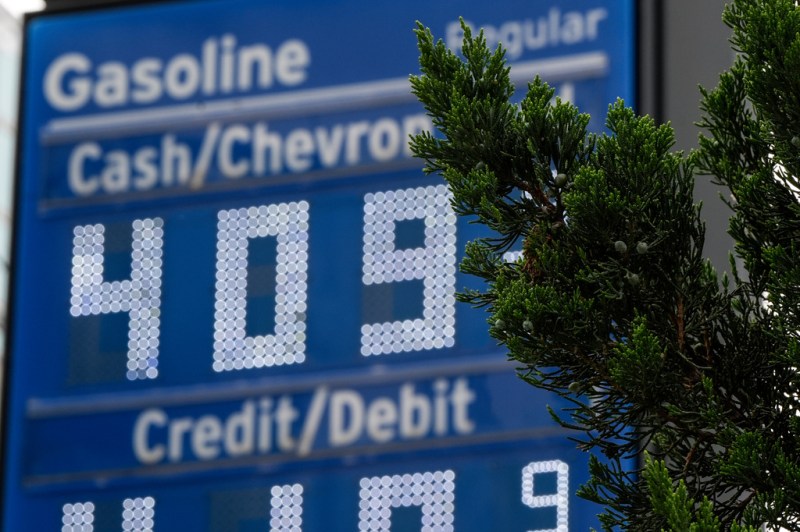
Georgians pulled up to the pumps this week to find prices had jumped by 33 cents per gallon. Drivers across the state are seeing numbers they haven’t in years: $4.07 for a gallon in Clinch County, $4.03 in Macon, and $4.09 in Cobb.
The reason is simple: Gov. Brian Kemp declined to extend the state’s gas tax suspension, which had been in place since March when the United States and Israel went to war with Iran. The tax funds maintenance for the state’s bridges and roads, and under Georgia law, only the governor has the authority to suspend it.
For many families, the math is straightforward and unforgiving. A driver filling up a 15-gallon tank will now pay roughly $5 more per fill-up than they did last week. The burden falls heaviest on lower-income Georgians, who spend a larger share of their income on transportation and have less flexibility to adjust. Rural residents, who often have no alternative to driving long distances for work, groceries, and healthcare are particularly exposed.
The suspension had been something of a bipartisan pressure valve. Kemp had extended it repeatedly since March, earning political points for keeping prices down during a period of war-driven volatility when other states were struggling.
His decision not to extend it this time leaves a conspicuous gap during a gubernatorial race that has revolved around lowering prices for everyday Georgians.
In a statement on Monday, Keisha Lance Bottoms called on state leaders to extend the suspension.
“Georgians are paying the price for Donald Trump’s Iran war, and they need leaders who will take every action possible to lower the price of gas,” she said.
Lt. Gov. Burt Jones, who is headed to a June 16th runoff to be the Republican nominee against Rick Jackson, has not said on the record whether he supports extending the gas tax suspension. The silence is notable given his past comments.
“We’ve had enough of people telling us $4 for gasoline is okay,” he said during an event with President Trump in February, before the Iran war began.
Since the war started, however, Jones has not criticized the resulting price increases and has instead expressed his support for the conflict.
“I trust President Trump and what he’s doing over there in Iran,” he told 11 Alive News.
Jones is the heir to Jones Petroleum, a major gas station operator with locations across the state, and a sector that has been exceptionally profitable during the Iran conflict. According to a report from the Groundwork Collaborative, oil and gas companies recorded roughly $23 billion in excess profits in the first month of the war alone.
Jackson told WABE he would support an extended gas tax. But the billionaire healthcare executive also has ties to the oil industry that have drawn scrutiny.
During a town hall in Blakely, Ga., he revealed that he was “the largest outside investor” in an oil refinery in Texas. That disclosure potentially complicates his positioning as a straightforward advocate for lower fuel prices.
With the June 16th runoff approaching, gas prices have become a flash point in a race that has revolved around the soaring cost of living. For voters, the question is less whether candidates support cheaper gas—all of them say they do—and more what their records, finances, and silences reveal about who they’d be fighting for in office.