By Trimmel Gomes
Who gets to tell your story? It is the question at the heart of Banned Books Week, which begins Oct. 4.
This year, the focus is on books about trans people and Black history being pulled from schools and libraries, including Toni Morrison’s “The Bluest Eye,” banned recently by a Georgia school district.
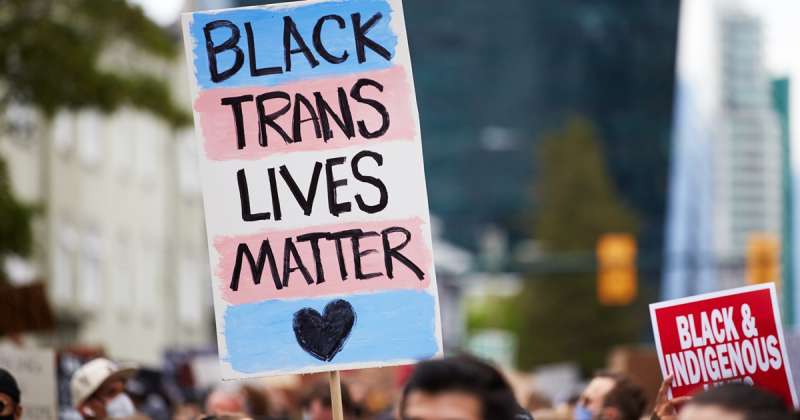
Dean Steed, communications director for the Solutions Not Punishment Collaborative, a Black trans and queer-led organization in Atlanta known as SnapCo, said as books about trans lives disappear from schools, the group is pushing back with its own publication.
“We just released a new zine called ‘How We Talk About Us,’ which looks at the harmful narratives about Black trans people and it gives people the practical tools to challenge a lot of the misinformation that has been pushed around trans lives by politicians and within news,” Steed explained.
The zine, a self-published, community-made booklet, is both print and digital. It examines dominant tropes and myths about trans people, including narratives that trans people are deceptive, that trans athletes are trying to cheat, and that conversations about trans identity are new. SnapCo says the project is a resource created for and by Black trans people.
The importance of storytelling beyond Banned Books Week
Steed pointed out storytelling is not separate from organizing, it is central to it. He stressed words have power, especially when they are used to rally people against vulnerable communities.
“Black trans people deserve the opportunity to document our own lives, our own histories, ideas and experiences in our own words. So often trans people are being talked about but we are not being talked to,” Steed observed.
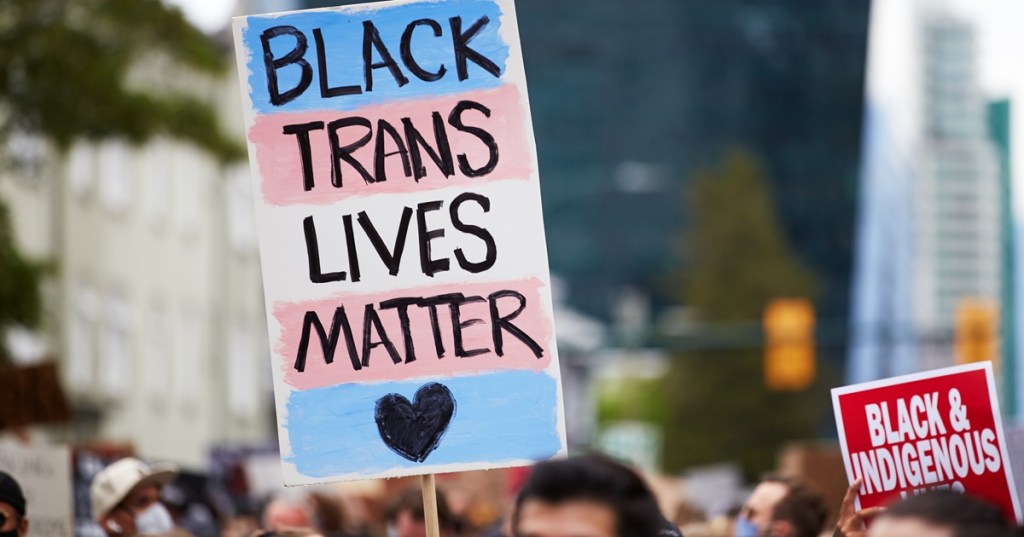
Steed added when narratives position trans people as a threat to children or society, increased policing and restriction of trans lives can start to feel justified.
In Georgia, Senate Bill 1, passed in 2025, prohibits transgender and nonbinary youth from participating in school sports and using bathrooms and locker rooms aligned with their gender identity. The law expanded a similar ban, which had applied only to middle and high schools.