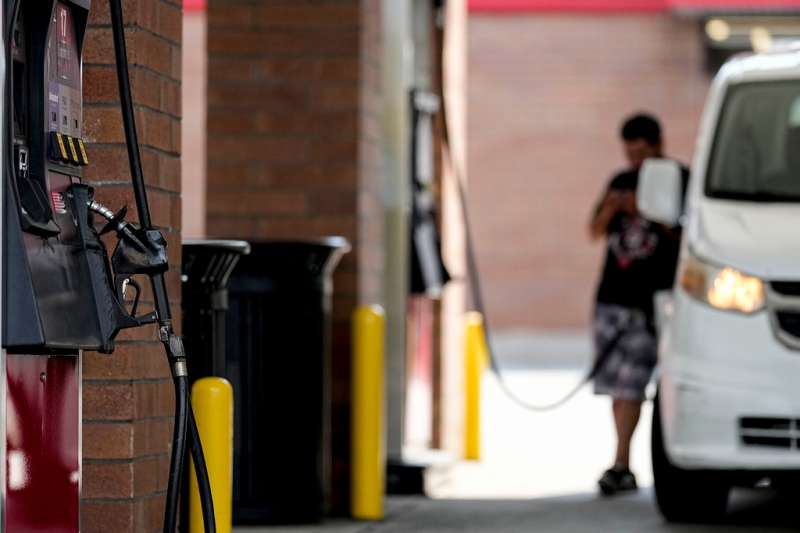
Diesel prices hit a national record on Tuesday, climbing above $6.50 a gallon, according to AAA. In Georgia, the statewide average set its own all-time high of about $6.35 over the weekend. That is nearly double the $3.55 drivers paid a year ago.
The surge comes as the United States’ war with Iran stretches into its seventh month, which has increased fuel prices worldwide. After the United States attacked Iran in February, Iran choked off the Strait of Hormuz, a critical link between the oil-rich Gulf states and the rest of the world. The United States retaliated with a blockade of Iranian ships, further straining global supply. Saudi Arabia has tried to reroute crude oil through pipelines to the Red Sea, but Iran-backed fighters have disrupted those exports too.
Oil prices have risen by roughly 40% since the war began, and the effects are rippling through every sector of the American economy. Diesel—the main fuel for both freight transportation and agriculture—has been hit particularly hard.
That makes Georgia farmers, who depend on diesel to run their heavy machinery, especially vulnerable.
Lee Nunn, a cotton farmer near Madison, Georgia, told the Atlanta Journal-Constitution that he expects to spend an additional $100,000 during this harvest season as a result of the rising diesel prices.
“It’s depressing,” he said. “This is an expense that we don’t have any control over, and we can’t do anything about. I just have to suck it up and pay it.”
The timing of the price surge is particularly difficult. Farmers are in the process of harvesting cotton, apples, beans, citrus, grapes, and more. The rising diesel prices will cut into already thin margins for farmers, who are struggling with the fallout of climate change, tariffs, and the rising cost of fertilizer, much of which also depends on nitrogen from the Gulf. Many farmers are contemplating leaving the agricultural industry altogether.
Fuel costs have also become a central issue in the upcoming midterm elections. A Fox News poll released last week found that 61% of voters called gas prices a major problem for their household, up from 48% two years ago.
Nearly two-thirds said the Trump administration has made the economy worse. Georgians alone have spent an extra $1.67 billion on gasoline since the war began in late February, or more than $400 per household, according to an analysis from Brown University.
President Donald Trump has played down the pain at the pump. At a campaign event in North Carolina last Wednesday, he called higher gas prices “a very inexpensive price to pay for what we’ve done.” He described the war as necessary to keep Iran from obtaining a nuclear weapon, however there is no evidence that Iran was on the verge of doing so.
For now, there’s little relief for Georgians in sight.