Reporting by Stephanie Castellano, Savannah Morning News
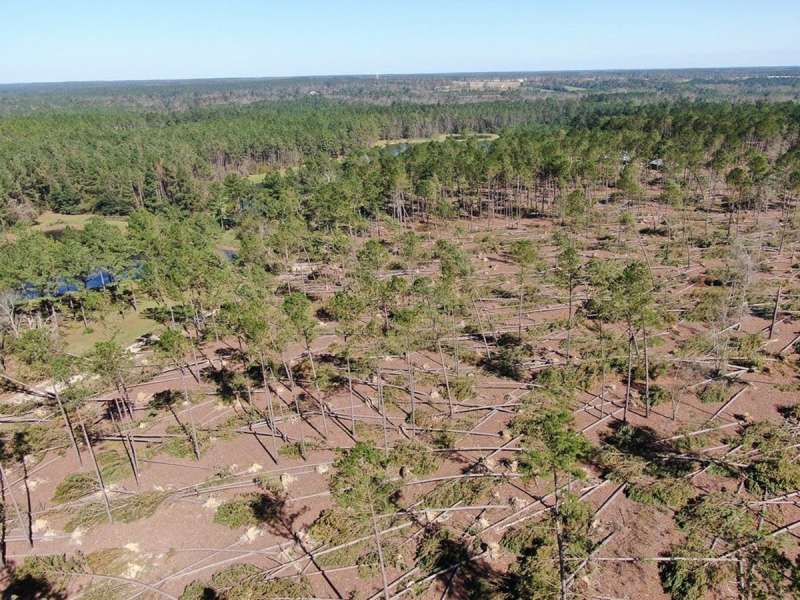
Georgia, the “number-one forestry state in the nation,” according to its forestry commission, leads the nation in the permanent loss of forested land.
A new study from Clark University in Massachusetts examining permanent forest loss nationwide found that the United States lost nearly 10 million acres of forest between 1990 and 2017.
Forest loss in Georgia accounts for more than 10% of that number, losing nearly 1.2 million acres of its forests in that period—a number that is “really off the charts,” said Christopher Williams, the study’s co-author and a professor of geography at Clark University. It equates to cutting down one football field of forest every 16 minutes.
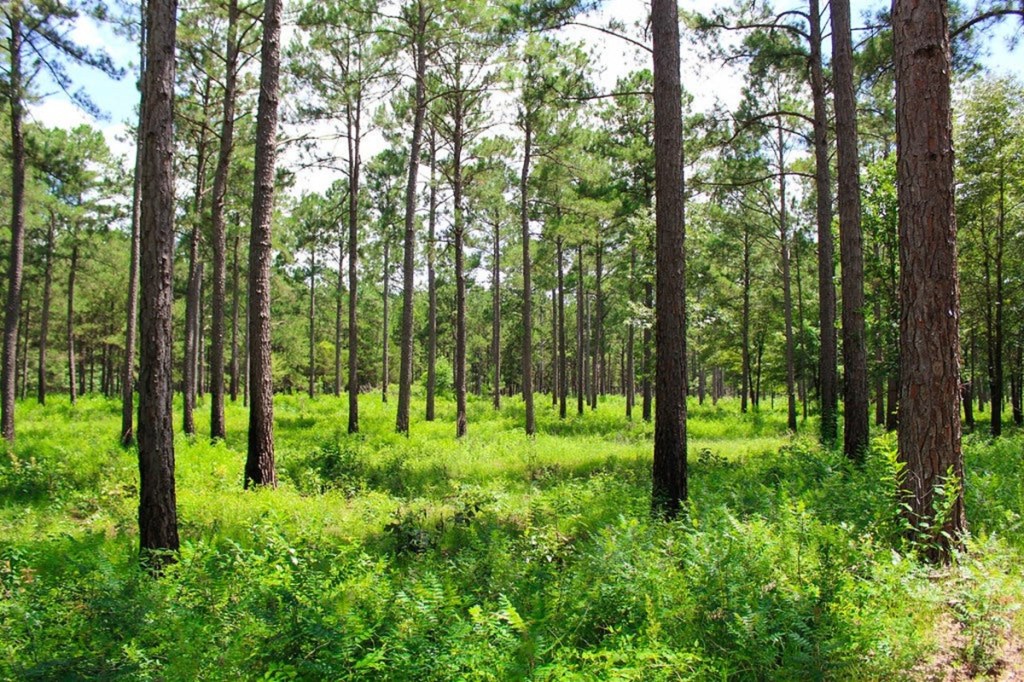
As of 2023, Georgia had more than 24 million acres of forests, according to the Georgia Forestry Commission—still the most of any U.S. state. The majority are privately-owned timberlands, where the trees are planted, harvested, and replanted for their wood. But if the trajectory of loss continues, will Georgia be able to sustain its reputation as the nation’s leading forestry state?
The Clark University study is the first to examine the permanent conversion of the nation’s forests to either croplands or development over a nearly 30-year period. In Georgia, the most severe losses occurred in Gwinnett and Fulton counties in the Atlanta metro region. Coastal areas around Savannah, Brunswick and St. Marys were also identified as “hotspots” of forest loss.
Most of the states with the greatest areas of forest loss are in the Southeast—a region that has experienced explosive population growth in the last decade. However, Williams noted a surprising pattern: Many of these states saw more forests disappear under row crops than under suburban sprawl. In Georgia, 53% of forests lost have been converted to croplands, while 47% have been lost to development.
Cutting down trees releases carbon
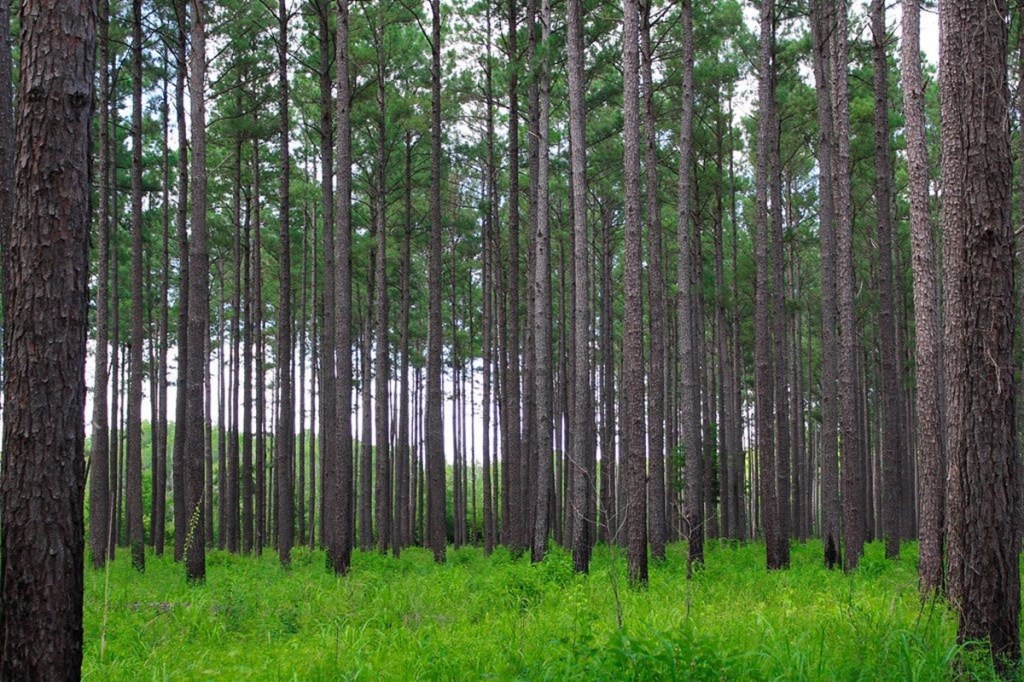
The study also found that cutting down 10 million acres of trees nationwide has released more than 2.3 billion tons of carbon dioxide into the atmosphere. Trees sequester carbon dioxide, a greenhouse gas that contributes to global warming, which is why forests are important for staving off the worst impacts of climate change.
“When we lose forest, carbon dioxide goes into the atmosphere, and that counts just like fossil fuel emissions [from] the tailpipe or a power plant,” said Williams. “That loss of carbon that was being stored in ecosystems adds to the global climate burden, and it can really add up.”
The destruction of nearly 1.2 million acres of Georgia forests released 291 million tons of carbon dioxide into the atmosphere over the 28-year period studied. That represents nearly 15% of the nation’s total climate burden from permanent forest loss.
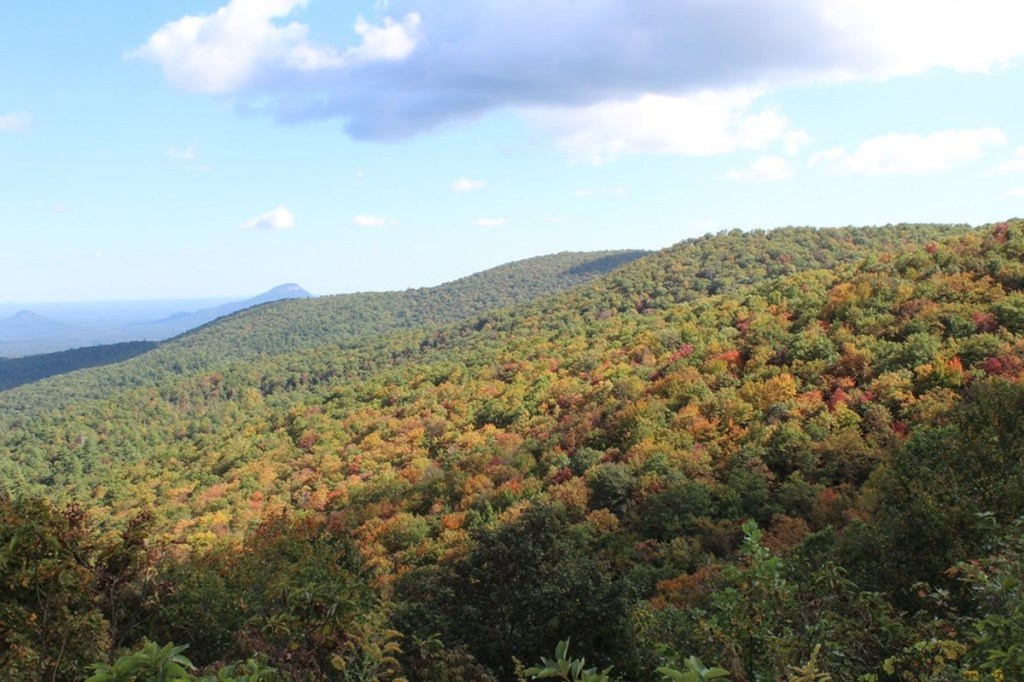
Beyond mitigating the effects of climate change, forests offer a range of benefits: they serve as wildlife habitat, improve air and water quality, and bring in revenue from tourism, recreation and timber. (Because forests harvested for timber are regrown, they are not considered as permanently lost.)
That’s what makes the permanent loss of forests so concerning.
“Just thinking about losing a football field worth of forest every two minutes for [almost] 30 years is really kind of a painful concept,” Williams said. “That’s an erosion of ecological benefits and climate service that is really disappointing.”
“On the other hand,” he added, “people need housing, people need food.”
An unexpected alliance to prevent forest loss in Georgia
The U.S. Forest Monitor, an interactive data tool accompanying the Clark University study, examines ongoing permanent forest loss across the nation, and quantifies potential carbon benefits—and risks—associated with preserving forests or converting them to farms or development. Williams said he hopes policymakers and other stakeholders can use it to make decisions about how to manage forests.
He also noted that the issue of forest loss has made for a pair of strange bedfellows: conservationists and timberland owners. Conservationists, who want to see forests protected, “are in conversation—and really productive conversation—with people who are talking about forest utilization and maintaining the family forest,” he said. “And so we’ve seen this interesting convergence in concern, interest, and possible solutions.”
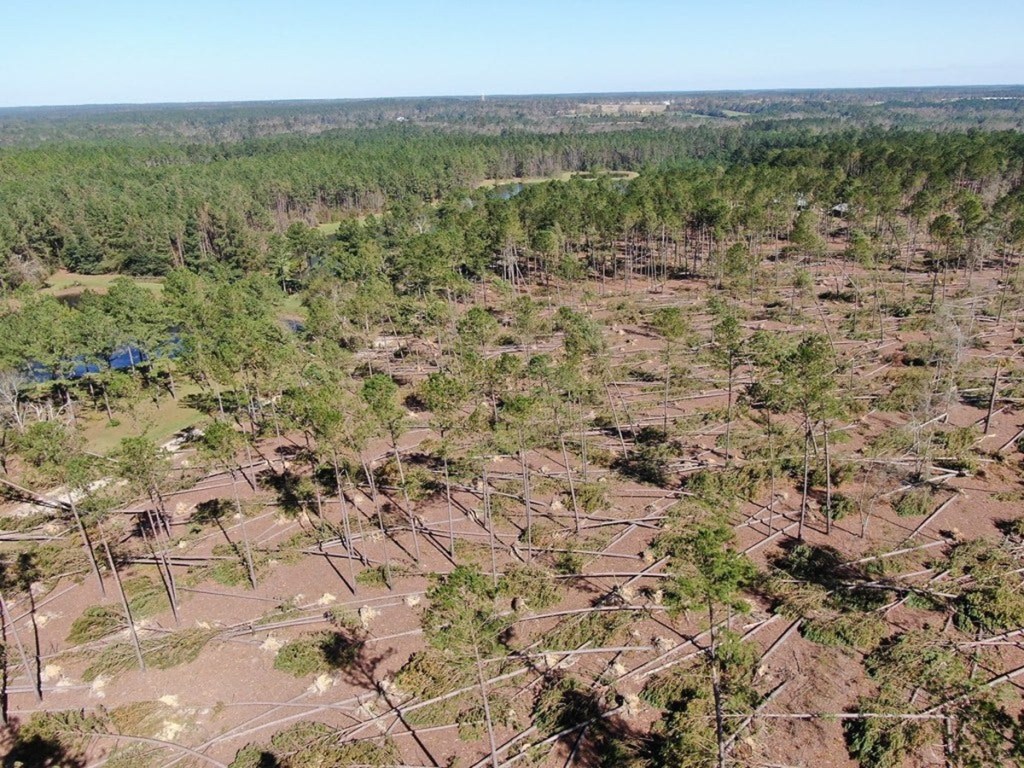
Georgia still has the most timberlands of any state in the U.S. except Oregon; although the Georgia Forestry Commission marked a steady decline in timberlands in its latest inventory, which took place between 2019 and 2023. Troy Clymer, Forest Management Chief of the Commission, said the timber industry took a hit from Hurricane Helene and the closure of several Georgia mills in recent years.
But, he said, “Forestry’s been very resilient through time.”
He said the Commission works hard to educate Georgians about the importance of maintaining timberlands in the state.
“Even if they live in the city, they’re connected to the forest land by the products they’re buying,” he said, “whether it’s a box of cereal or even their cellphones—there’s nanocellulose [a material derived from wood pulp] in cellphones that they’re using everyday. So they’re attached to the land, even if they don’t fully realize it.”
Stephanie Castellano covers climate change and the environment in coastal Georgia. You can reach her at scastellano@usatodayco.com. This reporting content is supported by a partnership with Journalism Funding Partners.
This article originally appeared on Savannah Morning News.
Related: GA could lose up to 11,000 jobs due to federal energy policies, report claims