Reporting by Stephanie Castellano, Savannah Morning News
More than 91% of Georgia’s wetlands—including nearly all of Georgia’s freshwater wetlands—could be left without protection as the federal government considers a new rule that would make it easier to develop them.
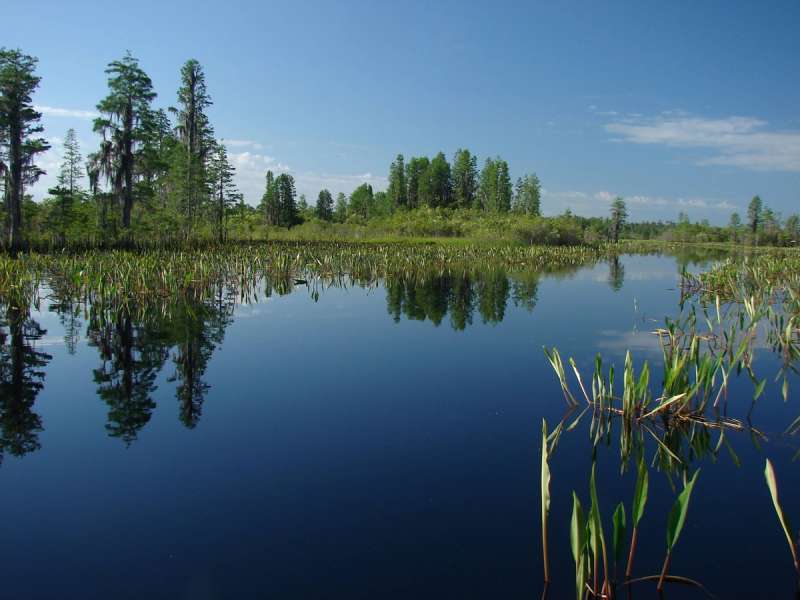
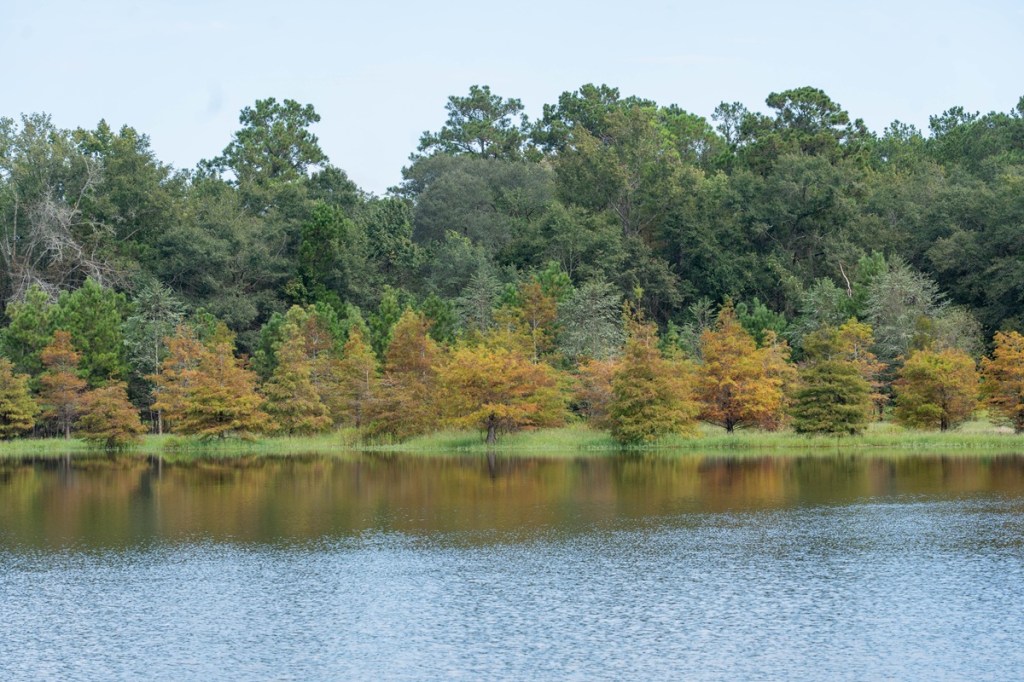
Wetlands across the United States have historically been afforded protection under the 1972 Clean Water Act. According to the U.S. Environmental Protection Agency, wetlands are areas like swamps and marshes where water covers the soil either all or part of the time.
The EPA calls them one of the most biologically-rich ecosystems in the world and says they protect the water supply and moderate global climate conditions.
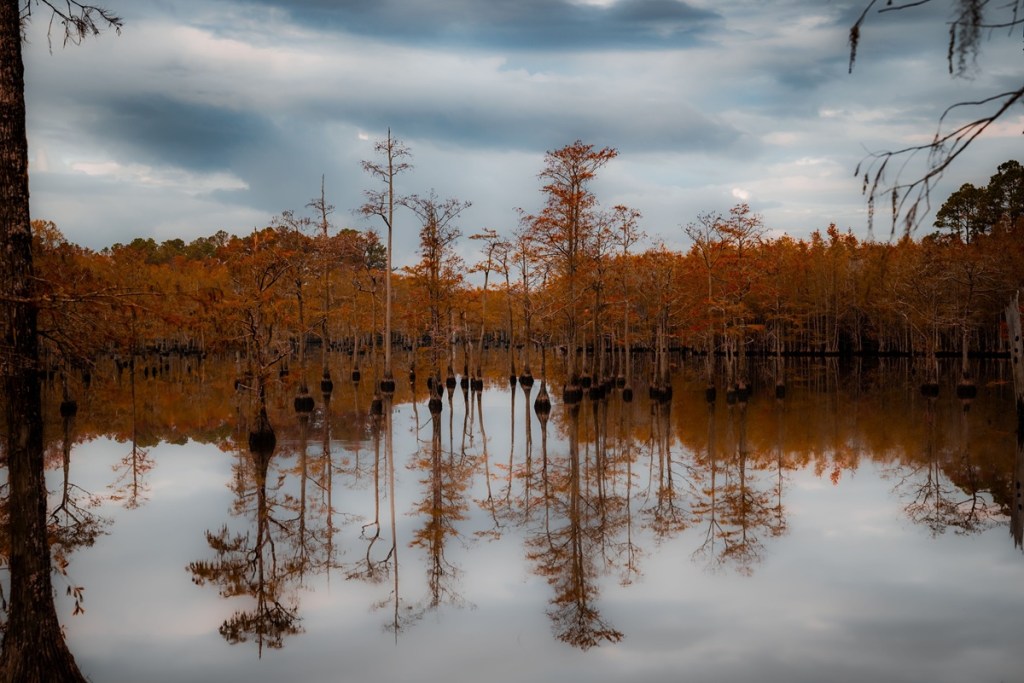
Under the Clean Water Act, developers are required to obtain federal permits before dredging or filling protected wetlands. But court decisions over the years have drastically narrowed the category of wetlands that qualify for protection.
In 2023, the Supreme Court case Sackett v. EPA stripped away federal protection for millions of acres of wetlands overnight.
A rule proposed in September by the EPA and the U.S. Army Corps would limit the definition of wetlands to “perennial waters,” which would exclude wetlands that aren’t covered with water year-round.
The two federal agencies say the new rule would improve the regulatory certainty and consistency with which federal protections are applied to wetlands in the aftermath of Sackett v. EPA. But environmentalists say it would lead to an even more drastic contraction of protections for wetlands.
According to an analysis by the Natural Resources Defense Council, if the rule goes into effect, 94% of the nation’s wetlands that qualified for conservation pre-Sackett would lose that protection, including 91% of Georgia’s wetlands.
It would also leave the vast majority of Georgia’s freshwater wetlands unprotected. The state’s Coastal Marshlands Protection Act only covers saltwater marshes and estuaries. There are no comparable state-level protections for freshwater wetlands in Georgia, said Megan Huynh, wetlands and coasts program director for the Southern Environmental Law Center.
“That leaves a big gap, in the aftermath of Sackett, of wetlands that are now vulnerable to being destroyed or degraded without any oversight,” said Huynh.
Conservationists are also protesting the Bipartisan American Affordability & Jobs Act of 2026, which the U.S. Senate could vote on as early as this week. The bill aims to expedite federal permitting procedures for clean energy projects, which supporters say are outdated and inefficient.
The bill would fast-track projects like solar farms, which are needed to cut emissions, supporters argue. But opponents are concerned that it would make it easier to build on wetlands.
“It’s going to almost certainly result in more wetlands [being] filled,” said Ben Kirsch, legal director for Georgia’s Ogeechee Riverkeeper, which joined other water conservation organizations across the country to urge Congress to reject the bill as it stands.
Huynh added that the bill would gut other environmental laws, including the Endangered Species Act, the National Environmental Policy Act, and the National Historic Preservation Act.
“Cutting science and public input out of the permitting process isn’t reform,” she said. “We can and should improve the permitting process for clean energy and other good projects, but not by locking in bad decisions and sacrificing our bedrock environmental laws and the communities they protect.”
From wetlands to warehouses
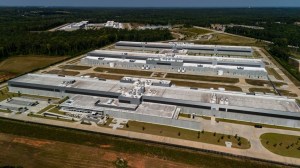
The weakening of federal protections for wetlands comes at a time when coastal Georgia is brimming with new development projects.
In addition to data center, housing and industrial developments, the region has recently seen a massive spike in warehouses meant to accommodate the expansion of Savannah’s port.
The greater Savannah area is now home to nearly 600 warehouses, and at least 100 more are on the way, according to a tracking map developed by local conservation groups. Collectively those warehouses take up more than 200 million square feet, or about 4,600 acres.
“That I think is really eye-opening,” said Huynh, “just looking at the map and … knowing how wetlands-rich those regions are.”
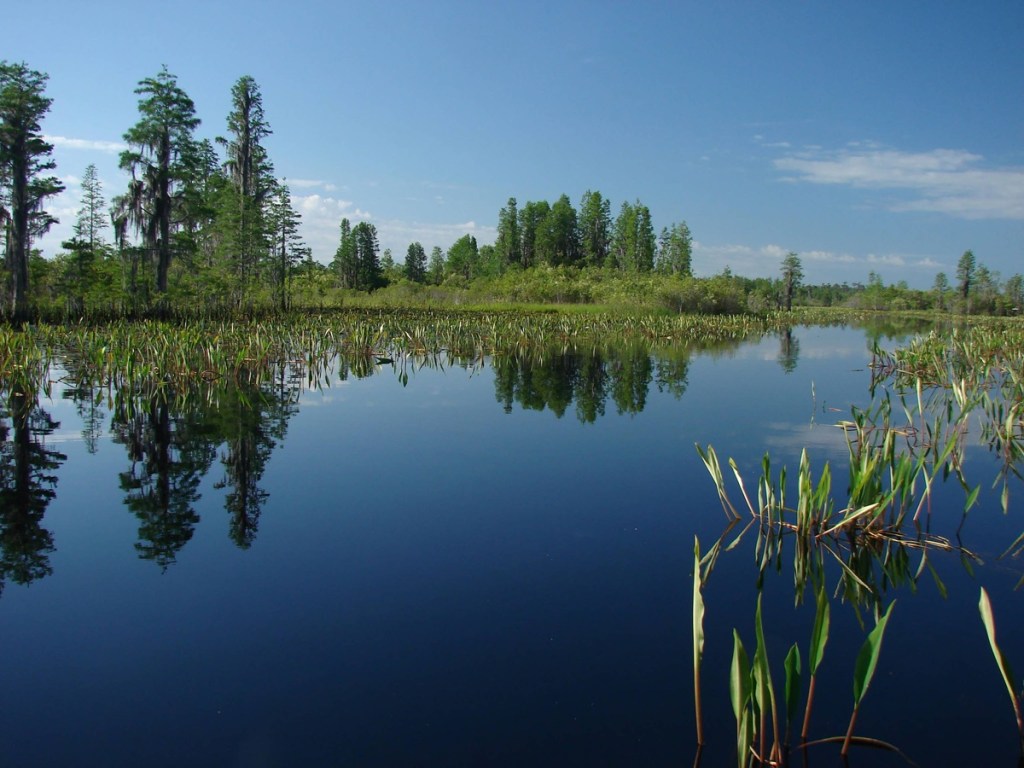
It would be difficult to build something as large as a warehouse in coastal Georgia and not impact a wetland, said Kirsch at the Ogeechee Riverkeeper.
However, he and other environmental experts have said that no tally exists for how many acres of wetlands have been lost to development in Georgia. Kirsch said the Army Corps, which issues the permits needed to dredge and fill wetlands, told his organization that it doesn’t track that number.
Georgia’s freshwater wetlands provide natural flood control in a changing climate
As the planet warms, Georgia, like most other parts of the world, can expect more extreme weather. When it comes to precipitation, Georgia will likely experience both prolonged droughts and more heavy rainstorms. According to the Georgia Climate Project, wetlands help mitigate the effects of drought and control the flooding associated with more frequent, more intense storms. They act as a natural sponge, storing between 1 million and 1.5 million gallons of water per acre.
“That, I think, is really one of the key points,” Huynh said, “especially in flood-prone areas like Savannah and Coastal Georgia…When [wetlands get] filled or degraded, that water that would have been stored there has to find someplace else to go. That someplace else is often someplace that is not wanted, like our homes and basements and streets.”
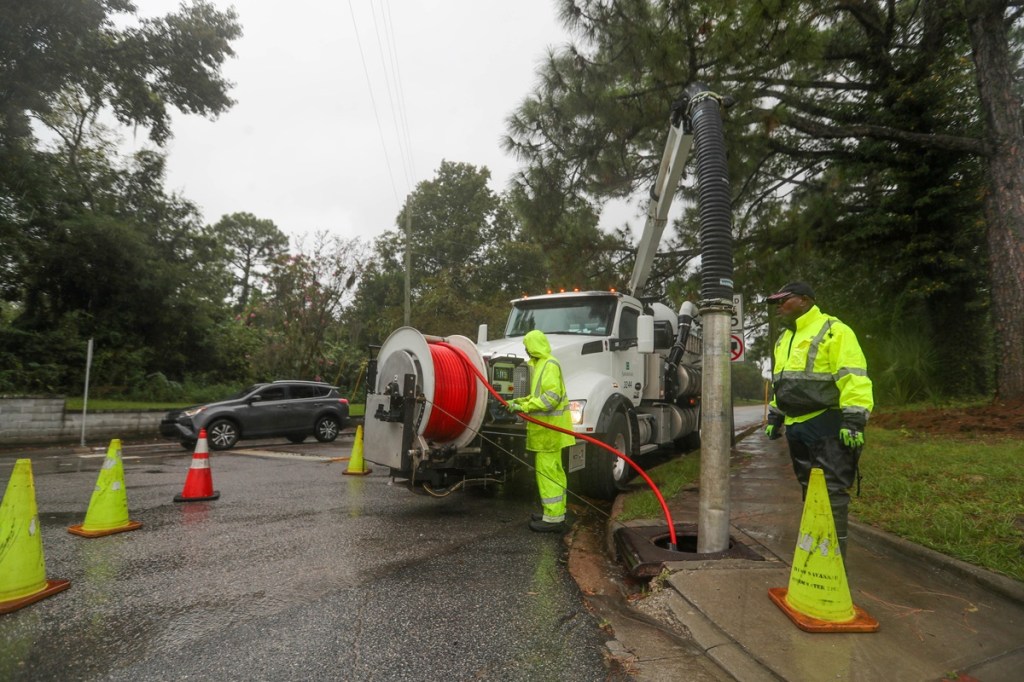
When construction happens, builders are supposed to install stormwater infrastructure that matches the formerly natural land’s capacity to store water. But compared to the flood mitigation wetlands provide for free, stormwater infrastructure is expensive to build and maintain—especially as more severe weather continues to overwhelm aging systems.
Meanwhile, new stormwater infrastructure is often built based on “backwards-looking” weather data that doesn’t take changing climate conditions into account, said Kirsch.
“They’re building these structures based on calculations of a world that no longer exists,” he said. “Unless they build in extra capacity in those stormwater management features, they won’t be able to handle future storms.”
Stephanie Castellano covers climate change and the environment in coastal Georgia. You can reach her at scastellano@usatodayco.com. This reporting content is supported by a partnership with Journalism Funding Partners.
This article originally appeared on Savannah Morning News.
Related: Climate change and inflation drive up Georgia home insurance rates