Reporting by Erica Van Buren, Augusta Chronicle
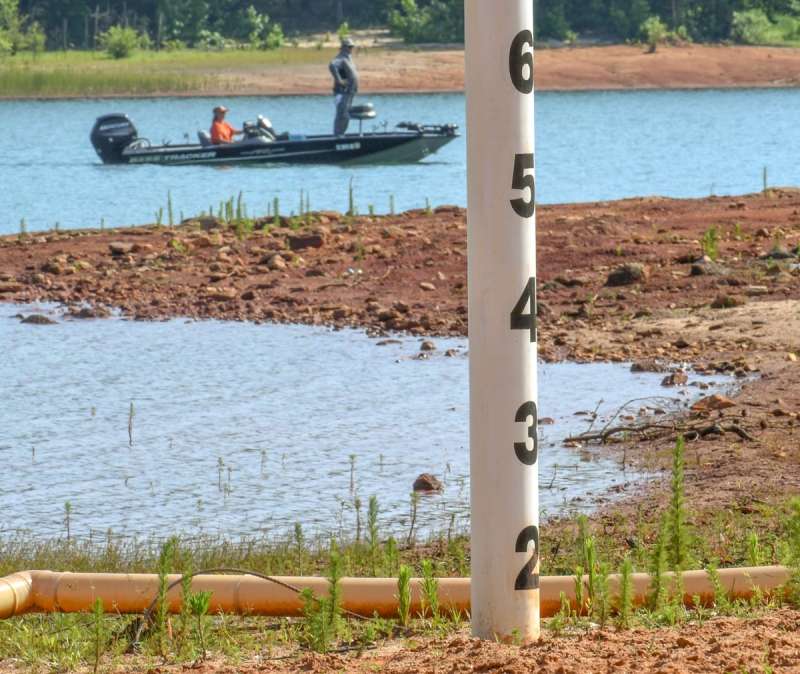
After an extended drought that began in May, a trend experts say is linked to climate change, conditions have improved in some Georgia counties, while others remain in severe drought.
Thomas Barrett, forest protection chief with the Georgia Forestry Commission, said recent rainfall has eased drought conditions and reduced wildfire risk.
“For us in Georgia, at least, after all the rain that we’ve gotten over the last month and a half or so, our potential has gone way down,” Barrett said. “Now, there are still parts of the Southeast that are in a pretty extreme drought, and they still have a lot of potential. But our potential in Georgia has gone down, at least for a few months.”
Rising heat-trapping pollution is warming the planet and reshaping drought patterns, with growing impacts on water security, wildfires and ecosystems, according to Climate Central. Higher temperatures make the atmosphere thirstier, increasing evaporation from streams, soils and plants. That process can trigger or intensify drought conditions while elevating wildfire risk.
Research shows that the atmosphere’s increasing demand for water has become a significant driver of drought across the western United States and other parts of the world as the climate continues to warm.
The state tracks conditions using the following U.S. Drought Monitor categories:
- D0 — Abnormally Dry: Fire risk is elevated. Topsoil moisture decreases, delaying planting.
- D1 — Moderate Drought: Crops are vulnerable, and soil moisture is low. Gardens and lawns require more water. Stream and pond levels drop, water temperatures rise, and tree stress begins.
- D2 — Severe Drought: Crops are stressed, hay yields are low, and producers feed cattle early. Planting is delayed; the soil is hard, and conditions are dustier than usual. Small streams dry up, rivers run very low, and tree mortality begins.
- D3 — Extreme Drought: Crops are stressed, hay yields are low, and producers feed cattle early. Planting is delayed, and soil is hard and dusty. Small streams dry up, rivers run very low, and tree mortality increases.
- D4 — Exceptional Drought: The agricultural economy is severely impacted. Fire risk is high, and fire activity increases. Hydroelectric power generation is significantly reduced, and tree mortality is widespread. Armyworm outbreaks may occur.
In parts of Georgia, no one is currently affected by drought, according to the National Integrated Drought Information System. Barrett said the National Weather Service issues drought status updates weekly.
“In parts of Georgia, especially southeastern Georgia, there is still a little bit of drought,” he said. “D4 is an exceptional drought, which is the worst category you can be in. And that’s what we were in when we were having the wildfires in April and May.”
Counties across Georgia currently range from D0, Abnormally Dry, to D2, Severe Drought, according to the U.S. Drought Monitor.
Barrett said this time of year typically brings fewer wildfires.
“Things have gotten a whole lot better over the last couple of months, and everything’s had a chance to really green up,” he said. “We don’t typically have as many bad fires in this part of the world this time of year. We certainly still can, but it’s probably not nearly as likely.”
Barrett said temperatures in the upper 90s, combined with a lack of rain, can still raise concerns.
“One thing that we always say is we’re never more than two weeks away from a drought,” Barrett said. “As long as we’re getting steady rain and things stay green, we’re in pretty good shape, even with the heat that we’re about to have. But a couple of weeks with no rain, combined with prolonged heat, and it starts to get bad again pretty quickly.”
Hurricane Helene debris remains a concern because it serves as fuel on the forest floor, Barrett said.
“If you draw a line from Valdosta to Augusta, where the hurricane went, and make it 30 miles wide, anywhere in that area is going to be a problem for at least the next three to four years,” he said. “A lot of people have tried to clean up, and a lot of people are still cleaning up. It’s going to take time to get it all cleaned up or for it to rot.”
This reporting content is supported by a partnership with Journalism Funding Partners.
Erica Van Buren is the climate change reporter for The Augusta Chronicle, part of the USA TODAY Network. Connect with her at EVanBuren@usatodayco.com or on X: @EricaVanBuren32.
This article originally appeared on Augusta Chronicle.