By Trimmel Gomes
The Okefenokee Swamp in southeast Georgia has officially joined the ranks of global natural wonders like the Grand Canyon and Yellowstone as a UNESCO World Heritage Site.
The Okefenokee is a place where nature still reigns — a place where visitors can get lost, on purpose, far away from development and modern life.
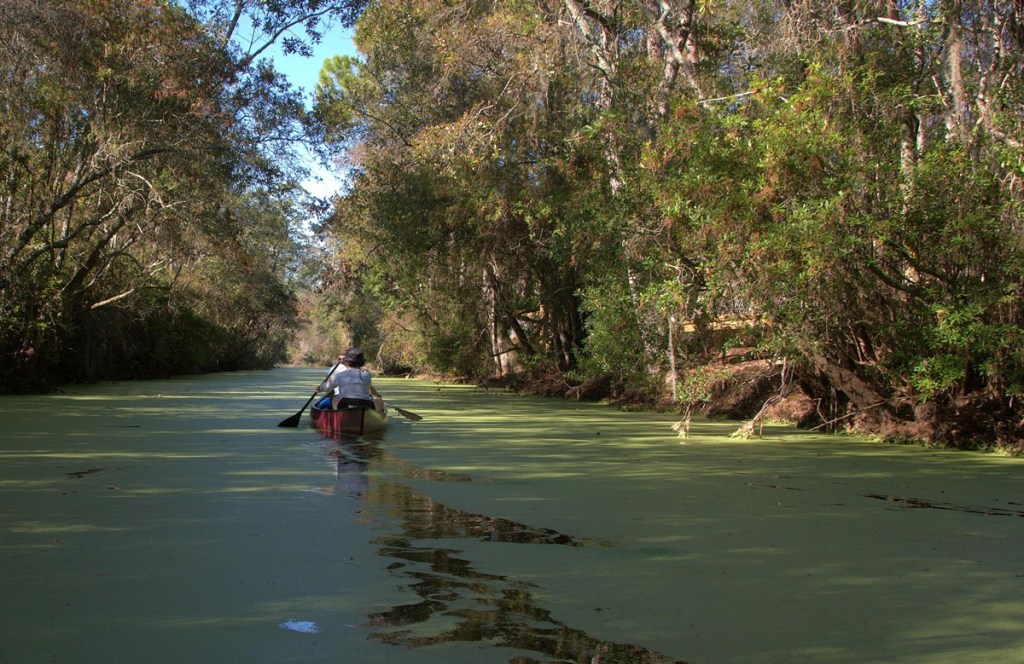
Josh Howard, operations manager for the guided tour company Okefenokee Adventures in Folkston, has been coming to the swamp for nearly 50 years, starting with a grandfather. Howard has worked there as a wildland firefighter and forestry technician, and said the UNESCO designation puts the swamp on the world stage.
“I’ve always known that this place is iconic and now I think when we get this status, it shows the world and shows the broader United States that there is a special place right there in Southeast Georgia that you need to come and see,” Howard emphasized.
Okefenokee Swamp’s UNESCO designation likely to draw surge in visitors
The Okefenokee is the largest intact blackwater wetland in North America and Georgia’s first World Heritage Site. Howard pointed out visits are already surging, and one study projects annual visitation could double to 1.6 million by 2035.
Adrien Webber, director of the Georgia chapter of the Sierra Club, said while the title does not come with new legal protections, it raises the stakes for safeguarding the swamp’s future.
“What’s next for the Okefenokee? Are we going to continue to protect the remaining acreage, or are we going to just kind of hope for the best and hope that nothing happens to it? The last time that happened, we ended up getting a potential mine, and luckily it was stopped,” Webber recounted.
The fight to permanently protect the Okefenokee continues. The state legislature has not yet passed the Okefenokee Protection Act, which would ban mining on Trail Ridge, the swamp’s natural eastern boundary.
However, a major conservation victory was won last year when the Conservation Fund purchased an 8,000-acre mining site from Twin Pines Minerals.
As the swamp’s global profile rises, the focus remains on balancing new economic opportunities with the preservation of its unique and remote wilderness character.
Related: Okefenokee Swamp, beloved Georgia wildlife refuge, at a crossroads