Reporting by Erica Van Buren, Athens Banner-Herald
Climate change is affecting hurricane season, altering forecasting, communications, climate science and emergency management.
Warmer ocean temperatures linked to human-caused climate change are contributing to more serious hurricane threats including stronger storms, heavier rainfall and increased storm surge when hurricanes make landfall, according to NASA experts.
Here are eight ways climate change and evolving technology have transformed how people understand hurricanes, based on information from the National Oceanic and Atmospheric Administration and other sources.
Storm surge warnings
A storm surge warning did not exist in operational form 20 years ago. The National Weather Service and National Hurricane Center began issuing separate storm surge watches and warnings because water, not wind, is often the deadliest hurricane hazard.
Recognition of climate-driven rainfall
Modern hurricane coverage now routinely addresses how a warmer atmosphere can produce heavier rainfall. NOAA and observational studies have found that human-caused warming increases atmospheric moisture and contributes to more extreme precipitation from tropical cyclones.
Rapid intensification
Twenty years ago, forecasters worried about strengthening storms, but rapid intensification is now one of the defining hurricane season storylines. Research shows warming oceans are increasing the odds that hurricanes suddenly gain strength, sometimes just before landfall. NOAA and climate scientists have identified increasing rates of rapid intensification as a major forecasting and public safety challenge.
Climate attribution studies after storms
In previous years, scientists could rarely say how much climate change affected a specific hurricane. Today, attribution science can estimate whether human-caused warming increased a storm’s rainfall, intensity, or likelihood. This has become a routine part of post-storm analysis.
Hurricane forecast cones
Track forecasts have improved substantially since the mid-2000s. The National Hurricane Center’s forecast error has shrunk enough that the cone of uncertainty has become noticeably narrower over time, with five-day forecasts improving by roughly 40% since the modern forecasting era began.
Wireless emergency alerts on cellphones
In 2006, there was no nationwide system that automatically pushed hurricane warnings to smartphones. Today’s Wireless Emergency Alerts system sends geographically targeted warnings directly to compatible phones without requiring users to sign up. The system became operational in 2012.
Social media as a response tool for hurricane threats
Hurricane communication in 2006 was still dominated by television, radio and websites. Today, emergency managers use X, Facebook, Instagram, TikTok and other platforms for warnings, evacuation messages, rumor control and situational awareness. Researchers describe social media as one of the biggest changes in emergency management over the past two decades.
GOES-R super satellites
The GOES-R satellite era began in 2016 and brought vastly improved hurricane monitoring, said forecasters. These satellites can scan storms more frequently, provide higher-resolution imagery, detect lightning and monitor rapidly changing storm structures almost in real time.
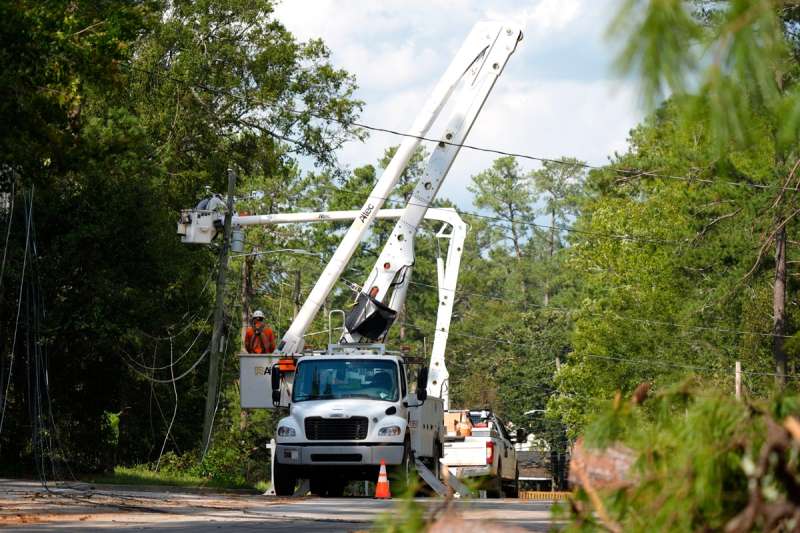
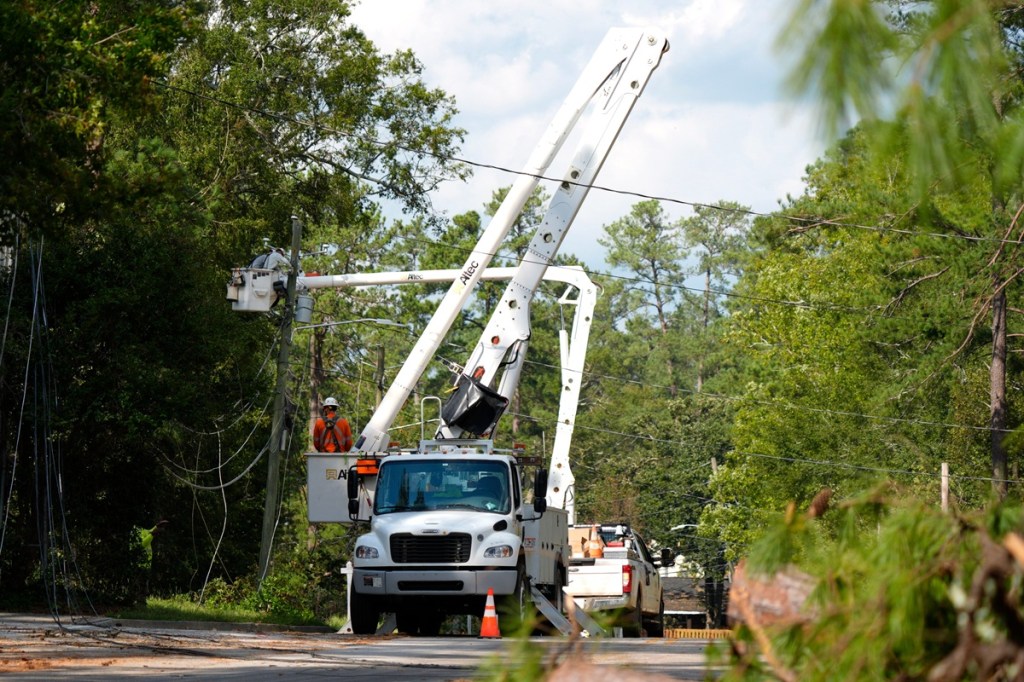
The 2026 hurricane season is underway and runs through Nov. 30. Inland cities such as Augusta and Athens are far from the coast, but tropical systems can bring heavy rain, flash flooding, downed trees and prolonged power outages, experts say.
This reporting content is supported by a partnership with Journalism Funding Partners.
Erica Van Buren is the climate change reporter for The Augusta Chronicle, part of the USA TODAY Network. Connect with her at EVanBuren@usatodayco.com or on X: @EricaVanBuren32.
This article originally appeared on Athens Banner-Herald.
Related: Climate change threatens peach crops in the Southeast